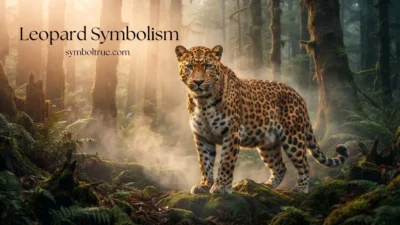

Tiger symbolism is deeply connected with strength, courage, confidence, independence, protection, and personal power. Across different cultures, the tiger has often been seen as a powerful creature that commands respect while moving with patience and purpose.
Seeing a tiger in a dream, artwork, story, or meaningful moment may symbolize the need to become more confident, trust your instincts, or face a difficult situation with courage. Its meaning can also depend on the context, your feelings, and the behavior of the tiger.
Tiger Symbolism Meaning (Clear Definition)
The simplest meaning of tiger symbolism is personal strength and fearless confidence. Tigers represent the ability to stand your ground, protect what matters, and move forward even when challenges appear intimidating.
A tiger does not usually symbolize unnecessary aggression. Instead, it can represent controlled power—knowing when to remain calm and when to act.
Common tiger symbolism meanings include:
- Strength: Inner and physical power
- Courage: Facing fear instead of running from it
- Confidence: Trusting yourself and your abilities
- Independence: Following your own path
- Protection: Defending yourself and loved ones
- Passion: Strong emotions, desire, and determination
- Patience: Waiting for the right moment to act
- Leadership: Authority, presence, and self-control
At its heart, tiger symbolism encourages you to recognize the strength you already carry within yourself.
What Does Tiger Symbolism Represent?
Tiger symbolism can represent several qualities that are important in everyday life.
Strength and resilience are among its strongest associations. The tiger’s powerful presence can remind you that difficult periods do not have to define your future.
Courage is another major meaning. A tiger can symbolize the willingness to face something uncomfortable rather than allowing fear to control your decisions.
Independence is also closely connected with the tiger. It may appear as a symbolic reminder to trust your judgment instead of always depending on other people’s approval.
Confidence and authority are represented by the tiger’s commanding presence. Seeing tiger imagery may encourage you to speak clearly, set boundaries, and take yourself seriously.
Passion is another important interpretation. The tiger can symbolize strong motivation, creativity, ambition, or emotional intensity.
| Tiger Symbolism | Possible Meaning |
|---|---|
| Strength | Inner power and resilience |
| Courage | Facing fear bravely |
| Independence | Trusting your own path |
| Protection | Defending yourself or others |
| Passion | Strong desire and motivation |
| Patience | Waiting for the right opportunity |
| Leadership | Confidence and authority |
| Transformation | Personal growth and change |
Spiritual Meaning of Tiger Symbolism
Spiritually, tiger symbolism is often associated with personal power, instinct, courage, and transformation.
The tiger can symbolize a period when you are being encouraged to reconnect with your inner strength. Instead of constantly seeking reassurance from others, its presence may suggest learning to trust your own instincts.
A tiger can also represent spiritual protection. In symbolic traditions, powerful animals are sometimes viewed as guardians that remind people to establish boundaries and protect their energy.
Another spiritual interpretation involves balance. The tiger is both powerful and patient. It does not need to act constantly to prove its strength. This can represent the spiritual lesson of knowing when to be still and when to take action.
If tiger imagery repeatedly appears in your life, you might reflect on questions such as:
- Where do I need more courage?
- Am I ignoring my instincts?
- Where should I establish stronger boundaries?
- Am I afraid to show my real abilities?
- When should I act, and when should I wait?
Biblical / Religious Meaning of Tiger Symbolism
The tiger does not have a major symbolic role in the Bible, and it is not specifically named as a central biblical symbol. Therefore, interpretations connecting tigers with biblical ideas should be understood as modern symbolic associations rather than direct biblical teachings.
Some Christian readers may nevertheless connect the tiger’s qualities with broader themes such as courage, strength, protection, and overcoming fear.
In other religious and cultural traditions, big cats have held stronger symbolic roles. Tigers in particular became important symbols of power, protection, authority, and spiritual force in several Asian traditions.
Because religious symbolism varies, the meaning of a tiger should be considered within the specific tradition or belief system being discussed.
Tiger Symbolism in History and Culture
Tiger symbolism has a particularly rich history in Asian cultures.
In Chinese culture, the tiger has traditionally been associated with power, courage, protection, and military strength. It has also appeared in art and folklore as a formidable creature capable of defeating evil forces.
In parts of East and Southeast Asia, tiger imagery has been connected with authority and protection. Tiger paintings, sculptures, clothing, and decorative objects have often carried meanings beyond simple admiration for the animal.
The tiger also holds an important place in Hindu traditions. Durga, a major Hindu goddess, is traditionally depicted riding a tiger or lion depending on the artistic tradition. In this context, the powerful animal can reinforce themes of divine strength, courage, and the ability to overcome destructive forces.
Across cultures, one theme appears repeatedly: the tiger represents power that should be respected.
Tiger Symbolism in Literature and Art
Tigers have fascinated writers and artists because they combine beauty, danger, mystery, and power.
One of the most famous literary examples is William Blake’s poem “The Tyger.” The tiger becomes a powerful image through which the poem explores creation, mystery, beauty, and fear.
In visual art, the tiger is often portrayed with dramatic movement, intense eyes, and a strong physical presence. Artists may use the animal to communicate ferocity, freedom, beauty, danger, or authority.
Tiger imagery can therefore carry different meanings depending on how it is presented. A peaceful tiger may symbolize controlled strength, while a roaring tiger may suggest aggression, defense, or emotional intensity.
Dream Meaning of Tiger Symbolism
Dreaming about a tiger can have several possible interpretations. The meaning often depends on what the tiger was doing and how you felt during the dream.
A calm tiger may symbolize confidence, controlled power, or a growing awareness of your abilities.
A tiger chasing you may represent fear, pressure, or a situation you have been avoiding.
A tiger attacking you could symbolize a perceived threat, intense conflict, anger, or overwhelming emotions.
A tiger protecting you may represent inner strength or a desire for safety and protection.
A white tiger may symbolize rarity, mystery, spiritual reflection, or personal transformation.
A tiger cub can represent developing confidence, new strength, innocence, or a powerful ability that is still growing.
Dream symbolism is personal rather than fixed. Your emotions and real-life circumstances often provide the most useful clues.
Modern Meaning of Tiger Symbolism
Today, tiger symbolism frequently appears in fashion, tattoos, logos, motivational imagery, sports, and personal artwork.
A tiger tattoo, for example, may represent courage, independence, survival, strength, or overcoming hardship. Someone may choose tiger imagery as a reminder of a difficult chapter they successfully survived.
In modern personal symbolism, the tiger can also represent self-confidence and boundaries. It may communicate the idea that being kind does not mean being powerless.
The tiger’s modern message is simple: know your strength, protect what matters, and do not be afraid to take your place in the world.
At the same time, tiger symbolism can have a shadow side. It may sometimes represent anger, dominance, impulsiveness, or uncontrolled aggression. The healthiest interpretation is often not “be more aggressive,” but learn to control your power wisely.
What Does a Tiger Symbolize Spiritually?
Spiritually, a tiger commonly symbolizes inner strength, courage, instinct, protection, personal power, and transformation. It can encourage you to trust yourself and face challenges with confidence.
What Does Seeing a Tiger Symbolize?
Seeing a tiger symbolically may represent a need for courage, stronger boundaries, confidence, or independence. The exact meaning depends on the situation and your emotional response to the tiger.
What Does a Tiger Represent in Dreams?
A tiger in a dream can represent personal power, fear, aggression, protection, or a challenge that requires courage. A calm tiger and an attacking tiger may carry very different meanings.
What Does a Tiger Symbolize in Different Cultures?
Tigers have commonly represented strength, courage, protection, authority, and power in various Asian cultural traditions. Their meanings can differ significantly depending on the specific culture and religious context.
Is Tiger Symbolism Positive or Negative?
Tiger symbolism can be positive or negative. It may represent courage, resilience, and confidence, but it can also symbolize anger, aggression, dominance, or uncontrolled power.
Conclusion
Tiger symbolism is ultimately about power with purpose. It reminds us that true strength is not simply about being fearless or aggressive—it is about knowing yourself, trusting your instincts, protecting what matters, and having the courage to move forward.
When the tiger appears as a symbol, its message may be a powerful one: stand confidently in your strength, but learn to guide that strength with wisdom.

Henry Jack is the Administrator of SymbolTrue, ensuring the website runs smoothly while overseeing content quality, user experience, and daily operations. He is passionate about helping readers explore symbols, meanings, and cultural insights.