Tulip symbolism has enchanted people for centuries, representing perfect love, fresh beginnings, happiness, and personal growth. With their elegant cup shaped blooms and vibrant colors, tulips are among the world’s most beloved flowers.
They bloom each spring, making them enduring symbols of hope, renewal, and the promise of brighter days ahead.
Across cultures, spiritual traditions, literature, and everyday life, tulip symbolism reflects beauty, resilience, affection, and the joy that comes from embracing life’s new opportunities.
Tulip Symbolism Meaning (Clear Definition)
Tulip symbolism refers to the meanings and emotions associated with tulips in history, culture, spirituality, and personal expression. Because tulips bloom after winter and return year after year, they commonly symbolize love, renewal, optimism, prosperity, and emotional growth.
At its core, tulip symbolism represents the beauty of fresh starts, heartfelt relationships, and the hope that accompanies every new season.
| Symbolic Meaning | What It Represents |
| Perfect Love | Deep affection and devotion |
| Renewal | New beginnings and fresh opportunities |
| Happiness | Joy and positive energy |
| Hope | Optimism for the future |
| Prosperity | Abundance and success |
| Growth | Personal development and resilience |
| Beauty | Grace and elegance |
What Does Tulip Symbolism Represent?
Tulip symbolism represents many uplifting qualities that have made the flower meaningful across generations.
Its most common symbolic meanings include:
- Perfect love
- New beginnings
- Hope
- Joy
- Prosperity
- Emotional healing
- Friendship
- Appreciation
- Renewal
- Confidence
Different tulip colors also carry unique meanings. Red tulips symbolize true love, yellow tulips represent happiness, pink tulips express admiration, white tulips signify forgiveness and purity, and purple tulips symbolize royalty and elegance.
Spiritual Meaning of Tulip Symbolism
Spiritually, tulips symbolize personal transformation, faith, and the ability to bloom after periods of hardship. Emerging each spring, they remind us that every ending creates space for a new beginning.
The spiritual meaning of tulip symbolism includes:
- Spiritual renewal
- Inner peace
- Hope through change
- Emotional healing
- Gratitude
- Personal growth
- Trust in life’s timing
Tulips encourage people to remain patient during difficult seasons, knowing that growth often happens quietly before it becomes visible.
Their graceful appearance also reflects balance, harmony, and appreciation for life’s simple blessings.
Biblical / Religious Meaning of Tulip Symbolism
Tulips are not specifically mentioned in the Bible, but their symbolism aligns with biblical themes of beauty, renewal, hope, and God’s creation.
Religious interpretations commonly connect tulip symbolism with:
- Divine beauty
- Resurrection and renewal
- Faith and trust
- God’s abundant blessings
- Joy and gratitude
Because tulips bloom after winter, many Christians associate them with the hope of resurrection and the promise of new life.
In broader spiritual traditions, tulips represent harmony, love, and the continual renewal found in nature.
Tulip Symbolism in History and Culture
Tulips have held cultural importance for centuries.
Ottoman Empire
Tulips symbolized paradise, abundance, elegance, and divine beauty. They became important decorative motifs in art and architecture.
Dutch Golden Age
Tulips became symbols of wealth, prosperity, and beauty during the famous Tulip Mania of the 17th century, when rare bulbs were highly prized.
Persian Traditions
Tulips traditionally represented passionate love, sacrifice, and devotion.
Victorian Flower Language
During the Victorian era, tulips conveyed messages of perfect love, affection, forgiveness, and cheerful thoughts.
Today, tulips continue to symbolize spring, optimism, and joyful celebration around the world.
Tulip Symbolism in Literature and Art
Tulips have inspired countless artists, poets, and writers because of their graceful beauty and rich symbolism.
In literature, tulips often represent:
- Love
- Beauty
- Hope
- Renewal
- Prosperity
- Emotional growth
- Joy
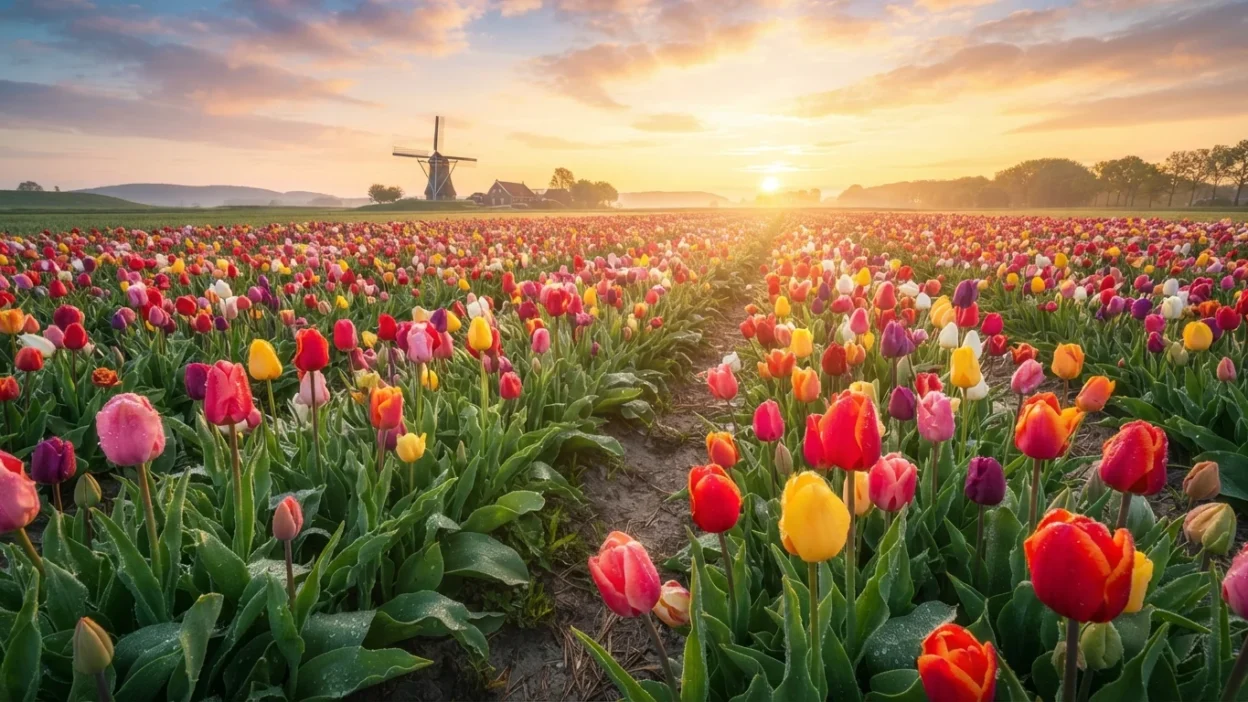
Painters frequently use colorful tulip fields to symbolize abundance, optimism, and the arrival of spring.
Poets often compare tulips to human emotions, highlighting love, resilience, and the fleeting beauty of life.
Dream Meaning of Tulip Symbolism
Dreaming about tulips is generally considered a positive sign connected with happiness, relationships, and new opportunities.
| Dream | Possible Meaning |
| Blooming tulips | Success, joy, and personal growth |
| Red tulips | Romantic love and passion |
| White tulips | Forgiveness and inner peace |
| Yellow tulips | Happiness and optimism |
| Planting tulips | Preparing for a bright future |
| Wilted tulips | Temporary disappointment or emotional challenges |
Tulip dreams often encourage dreamers to embrace hope, strengthen relationships, and remain optimistic about future possibilities.
Modern Meaning of Tulip Symbolism
Today, tulip symbolism continues to inspire people in everyday life.
Modern meanings include:
- Positive thinking
- Mental wellness
- Emotional resilience
- Healthy relationships
- Environmental appreciation
- Mindfulness
- Gratitude
- Personal success
Tulips remain one of the most popular flowers for weddings, birthdays, anniversaries, and celebrations because they symbolize affection, happiness, and fresh beginnings.
Their annual return each spring reminds us that hope and beauty always have the opportunity to bloom again.
Common Symbolic Meanings of Tulip Colors
Different tulip colors communicate different emotions and symbolic messages.
| Tulip Color | Symbolic Meaning |
| Red Tulip | True love and passion |
| Yellow Tulip | Happiness and friendship |
| White Tulip | Forgiveness and purity |
| Pink Tulip | Admiration and affection |
| Purple Tulip | Royalty and elegance |
| Orange Tulip | Enthusiasm and confidence |
| Multicolored Tulip | Celebration and joyful memories |
Why Tulip Symbolism Continues to Inspire
Tulip symbolism remains timeless because it reflects life’s most hopeful experiences.
Tulips encourage us to:
- Welcome new beginnings.
- Treasure meaningful relationships.
- Stay hopeful during change.
- Appreciate beauty in everyday life.
- Share kindness with others.
- Believe in personal growth.
Their annual bloom reminds us that every season holds the promise of renewal.
What does tulip symbolism mean?
Tulip symbolism represents perfect love, renewal, hope, happiness, prosperity, and the beauty of embracing life’s fresh beginnings.
What do red tulips symbolize?
Red tulips symbolize true love, deep affection, romance, and heartfelt commitment, making them popular gifts for loved ones.
What is the spiritual meaning of tulips?
Spiritually, tulips symbolize renewal, emotional healing, gratitude, faith, hope, and trusting the natural timing of personal growth.
What do tulips symbolize in dreams?
Tulips in dreams often represent happiness, successful relationships, new opportunities, emotional healing, and positive life changes.
Why are tulips associated with spring?
Tulips bloom in spring after winter’s cold months, making them enduring symbols of renewal, hope, optimism, and fresh beginnings.
Conclusion
Tulip symbolism beautifully reflects love, hope, renewal, and the joy of new beginnings. If admired in gardens, celebrated in cultural traditions, featured in literature, or appearing in dreams, tulips continue to inspire with their timeless message of resilience, beauty, and heartfelt connection. Their vibrant blooms remind us that every new season offers another opportunity to grow, love, and flourish.
Meta Description (20 words): Discover tulip symbolism, spiritual meanings, dream interpretations, cultural significance, and beautiful representations of love, hope, renewal, happiness, and prosperity.

Ryan Thomas is a passionate writer at SymbolTrue, dedicated to exploring the meanings, history, and cultural significance of symbols worldwide. He creates engaging, well-researched content that helps readers discover the stories and symbolism behind everyday signs, icons, and traditions.