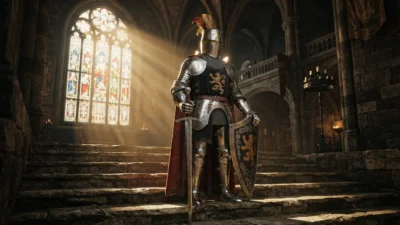
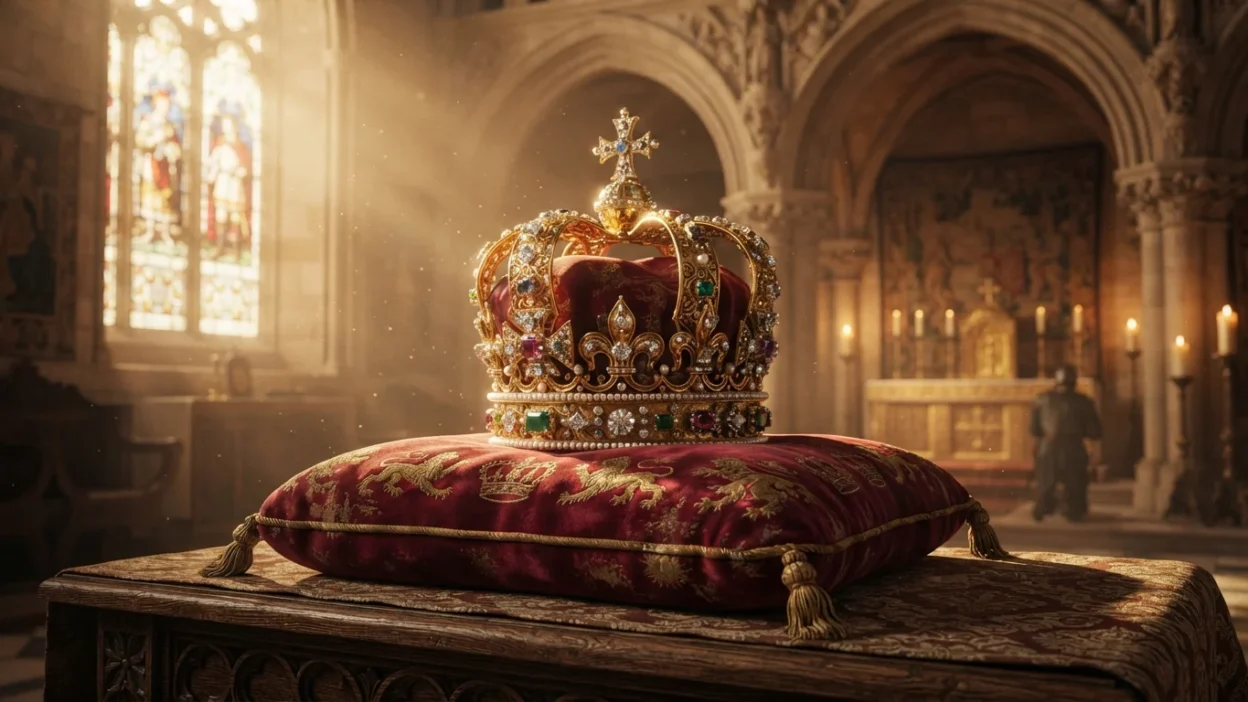
Throne symbolism has fascinated people for centuries because it represents far more than a luxurious seat. Across religions, cultures, mythology, history, and literature, a throne symbolizes authority, leadership, justice, honor, and spiritual power.
If seen in royal courts, sacred visions, or modern storytelling, the image of a throne reminds us of responsibility, influence, and the weight of important decisions. Understanding throne symbolism reveals why this timeless symbol continues to inspire respect, ambition, and wisdom.
Throne Symbolism Meaning (Clear Definition)
Throne symbolism refers to the deeper meaning attached to a throne beyond its physical purpose. A throne is traditionally the ceremonial seat of a ruler, but symbolically it represents supreme authority, legitimate power, leadership, wisdom, dignity, and responsibility.
Unlike an ordinary chair, a throne reflects the right to govern and make decisions that affect others. It also symbolizes stability, honor, justice, and divine approval in many spiritual traditions.
Quick Definition
Throne symbolism represents authority, sovereignty, leadership, wisdom, justice, honor, responsibility, and divine power.
Common Symbolic Meanings of a Throne
| Symbol | Meaning |
| Authority | The right to lead and govern |
| Power | Strength and influence |
| Wisdom | Fair judgment and thoughtful leadership |
| Justice | Righteous decision making |
| Royalty | Kingship, queenship, and nobility |
| Divine Rule | God’s heavenly authority |
| Responsibility | The burden of leadership |
| Honor | Respect, dignity, and achievement |
What Does Throne Symbolism Represent?
A throne carries different meanings depending on its cultural and spiritual context, but several themes remain universal.
Authority and Leadership
The throne is the ultimate symbol of legitimate leadership. It represents the ability to guide, protect, and serve others with wisdom.
Power with Responsibility
A throne does not only symbolize privilege. It also reminds leaders that true authority comes with accountability and moral duty.
Wisdom
Many ancient rulers were expected to judge fairly while sitting on their throne. Because of this tradition, the throne symbolizes thoughtful decision-making and experience.
Stability
A secure throne reflects a stable kingdom or organization. It represents order, balance, and lasting strength.
Honor and Achievement
Receiving or sitting upon a throne often symbolizes reaching the highest level of success or recognition.
Divine Sovereignty
In many religions, God’s throne represents eternal authority over creation and perfect justice.
Spiritual Meaning of Throne Symbolism
Spiritually, the throne symbolizes inner mastery, divine guidance, and higher consciousness.
Rather than representing worldly power alone, the throne often reflects spiritual authority earned through wisdom, humility, and personal growth.
Many spiritual traditions view the throne as a sacred place where truth, justice, and compassion unite.
Spiritual Lessons from Throne Symbolism
- Lead with wisdom instead of pride.
- Use influence to help others.
- Accept responsibility for your choices.
- Balance strength with compassion.
- Stay grounded despite success.
- Seek truth before making decisions.
Spiritually, sitting on a throne often symbolizes becoming the ruler of your own thoughts, emotions, and life.
Biblical / Religious Meaning of Throne Symbolism
The throne appears frequently throughout the Bible as one of the greatest symbols of God’s supreme authority.
God’s throne represents:
- Eternal kingship
- Divine justice
- Perfect holiness
- Mercy and judgment
- Heavenly glory
The “Throne of Grace” symbolizes God’s willingness to offer forgiveness and mercy to believers.
The throne also represents Christ’s everlasting kingdom and the promise of righteous leadership.
Outside Christianity, many religions associate thrones with divine beings, enlightened masters, heavenly rulers, or cosmic order. Sacred thrones often symbolize wisdom that comes from a higher source rather than earthly ambition.
Throne Symbolism in History and Culture
Throughout history, thrones have represented political authority and cultural identity.
Ancient civilizations carefully designed royal thrones using gold, ivory, precious stones, and elaborate carvings to display power and legitimacy.
Ancient Egypt
Pharaohs sat on magnificent thrones symbolizing divine kingship and their connection with the gods.
Ancient China
Imperial dragon thrones represented heavenly authority, balance, and the emperor’s sacred responsibility.
Medieval Europe
Kings and queens ruled from decorated thrones that demonstrated wealth, justice, and national unity.
African Kingdoms
Many traditional African thrones symbolized ancestral wisdom, tribal leadership, and community responsibility.
Asian Traditions
Royal and ceremonial thrones often reflected harmony, spiritual balance, and moral leadership.
Across cultures, the throne consistently symbolizes respected leadership rather than simple luxury.
Throne Symbolism in Literature and Art
Artists and writers frequently use thrones as visual representations of power, destiny, and authority.
In literature, a throne may symbolize:
- The struggle for leadership
- Political ambition
- Justice
- Corruption
- Honor
- Sacrifice
- Divine calling
Characters seeking a throne often face moral tests that determine if they deserve true leadership.
In paintings and sculptures, rulers seated upon thrones are often shown with crowns, scepters, or symbolic animals to reinforce themes of wisdom, strength, and legitimacy.
Modern fantasy literature continues using the throne as a symbol of both opportunity and responsibility.
Dream Meaning of Throne Symbolism
Dreaming of a throne usually relates to personal authority, confidence, and important life decisions.
The meaning depends on the dream’s details.
Sitting on a Throne
This often symbolizes growing confidence, leadership opportunities, or recognition.
Seeing an Empty Throne
An empty throne may represent untapped potential, a leadership role waiting to be filled, or uncertainty about authority.
Falling from a Throne
This dream can symbolize fear of failure, loss of status, or concerns about responsibility.
A Golden Throne
A golden throne often represents spiritual blessings, wisdom, success, and lasting honor.
Broken Throne
A damaged throne may symbolize weakened authority, injustice, or major life changes.
Dreams involving thrones usually encourage self-reflection about leadership, purpose, and responsibility.
Modern Meaning of Throne Symbolism
Today, throne symbolism extends far beyond royal families.
Modern people associate the throne with:
- Personal confidence
- Professional leadership
- Success earned through hard work
- Respect from others
- Self mastery
- Influence used wisely
In business, education, sports, and creative fields, the throne often represents reaching the highest level through dedication and integrity.
Rather than symbolizing domination, the modern throne increasingly represents responsible leadership and service.
FAQs
What does throne symbolism mean?
Throne symbolism represents authority, leadership, wisdom, justice, responsibility, and legitimate power. It often reflects both earthly leadership and divine sovereignty.
Why is a throne considered a symbol of power?
A throne is the ceremonial seat of rulers, making it a universal symbol of governance, influence, and the responsibility to lead fairly.
What does a throne symbolize spiritually?
Spiritually, a throne symbolizes divine authority, inner mastery, wisdom, truth, and the ability to lead with compassion and integrity.
What does dreaming about a throne mean?
Dreaming about a throne often reflects personal growth, leadership opportunities, confidence, or the need to accept greater responsibility.
Is throne symbolism positive?
Most often, yes. Throne symbolism represents honor, justice, wisdom, and responsible leadership, though it can also warn against pride or misuse of power.
Conclusion
Throne symbolism remains one of history’s most powerful symbols because it represents much more than royalty. It reflects leadership guided by wisdom, authority balanced with responsibility, and strength rooted in justice. if viewed through history, spirituality, dreams, or modern life, the throne continues to remind us that true greatness comes not from power alone, but from using it with integrity and compassion.

Abigail Alice is a passionate writer at SymbolTrue, exploring the history, meanings, and cultural significance of symbols worldwide. She creates clear, engaging, and well-researched content that helps readers uncover the fascinating stories behind everyday and ancient symbols.