
Poverty Symbolism Meaning (Clear Definition)
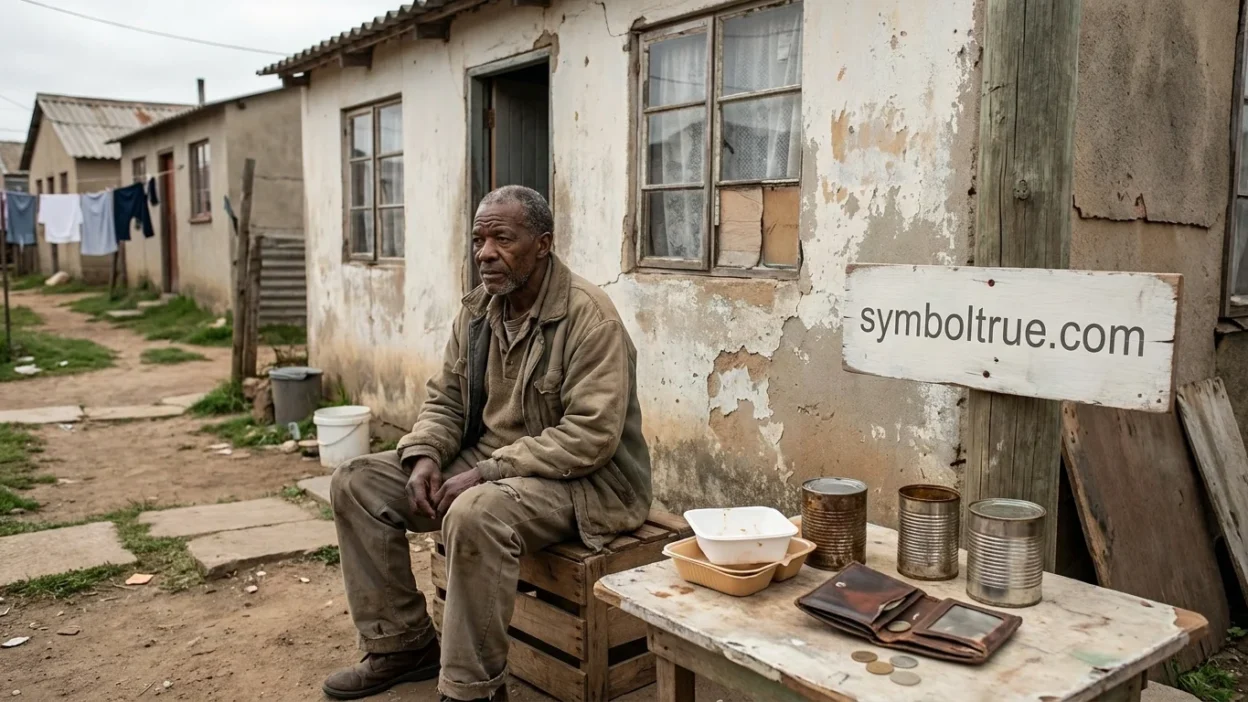
Poverty symbolism refers to the meanings people attach to poverty, material hardship, scarcity, and living without basic financial resources. Across history, poverty has been represented in many different ways, including suffering, humility, inequality, resilience, simplicity, dependence, exclusion, and the hope for a better life.
Poverty itself is a real social and economic condition, but its symbolic meaning can change depending on culture, religion, personal experience, literature, dreams, and artistic expression.
For one person, poverty may symbolize loss and insecurity. For another, it may represent simplicity, endurance, compassion, or freedom from material possessions. These interpretations should not be treated as universal truths because attitudes toward poverty differ greatly between societies and individuals.
What Does Poverty Symbolism Represent?
Poverty can symbolize several powerful ideas:
- Scarcity: A lack of money, food, shelter, opportunities, or resources.
- Hardship: Difficult circumstances that require endurance.
- Inequality: Differences in wealth, access, power, and opportunity.
- Vulnerability: Exposure to insecurity and uncertainty.
- Resilience: The ability to continue despite difficult conditions.
- Humility: In some traditions, having few possessions may be connected with modest living.
- Simplicity: Poverty can sometimes be used symbolically to contrast simple living with excessive materialism.
- Social exclusion: It may represent being pushed to the margins of society.
- Compassion: Images of poverty can encourage empathy toward people experiencing hardship.
- Hope: Poverty can also symbolize the desire to overcome limitations and create a better future.
The meaning depends heavily on context. A poor character in a novel, a homeless figure in a painting, and a dream about losing money may all communicate very different symbolic messages.
Spiritual Meaning of Poverty Symbolism
In spiritual discussions, poverty is sometimes connected with humility, detachment, sacrifice, dependence, and inner values.
Some spiritual traditions have emphasized living simply or reducing attachment to material possessions. In these contexts, poverty may be interpreted as a reminder that wealth is not the only measure of a meaningful life.
However, this does not mean that poverty itself is spiritually superior or that financial hardship should be romanticized. Real poverty can involve hunger, homelessness, limited healthcare, insecurity, and restricted opportunities.
Spiritually, poverty may therefore symbolize a lesson about what people value rather than a desirable condition itself.
Poverty as a Symbol of Humility
Having fewer possessions has sometimes been associated with humility. A person who owns little may be portrayed as less attached to status and material competition.
This symbolism appears particularly strongly in stories about monks, religious figures, or spiritual teachers who voluntarily give up wealth.
Poverty as a Symbol of Dependence
Poverty can also represent dependence on others, society, community, or a higher power.
In symbolic storytelling, a person who has lost everything may become a figure through whom themes of trust, faith, generosity, and human connection are explored.
Poverty as a Test
Some religious and spiritual stories portray hardship as a difficult period that tests patience, character, or faith. This is a traditional interpretation, not a universal explanation for why poverty occurs.
Poverty can result from many complex factors, including economic conditions, discrimination, conflict, illness, limited opportunities, and structural inequality.
Biblical / Religious Meaning of Poverty Symbolism
Poverty has an important presence in many religious traditions, including Christianity, Judaism, Islam, Buddhism, and others. However, the interpretation varies considerably between texts, communities, and historical periods.
In the Bible, care for people experiencing poverty is a recurring ethical concern. Biblical teachings frequently emphasize generosity, justice, compassion, and responsibility toward vulnerable people.
The Bible also contains passages involving wealth, poverty, humility, generosity, and spiritual priorities. These passages have been interpreted differently by different Christian traditions.
In Christianity, poverty may therefore symbolize humility, dependence on God, compassion for others, or social injustice, depending on the specific passage and interpretation.
In Islam, charitable responsibility toward people in need is strongly emphasized. Concepts such as zakat and voluntary charity connect material wealth with social responsibility and assistance to vulnerable members of society.
In Buddhism, poverty is not simply treated as a spiritual condition. Buddhist teachings more broadly examine attachment, desire, suffering, compassion, and the causes of human dissatisfaction. Voluntary simplicity in some Buddhist traditions should not be confused with involuntary poverty.
Overall, religious interpretations should be understood within their specific texts and traditions rather than reduced to one universal meaning.
Poverty Symbolism in History and Culture
Throughout history, poverty has been represented differently depending on social structure and cultural values.
In many societies, poor people were viewed as vulnerable members of the community who deserved charity. In other historical contexts, poverty could be associated with social failure or low status.
During periods of famine, war, economic collapse, and political instability, poverty often became a visible symbol of wider social problems.
Artists and writers have frequently used poor characters to highlight the gap between rich and poor. Poverty can therefore symbolize not only personal hardship but also economic injustice and unequal access to power.
Voluntary Poverty vs. Involuntary Poverty
An important distinction is between voluntary simplicity and involuntary poverty.
A person may deliberately choose a simple lifestyle because of religious beliefs, personal philosophy, or environmental concerns. This is different from lacking food, shelter, healthcare, education, or financial security because of circumstances beyond one’s control.
Symbolic discussions should avoid treating these two situations as identical.
Poverty Symbolism in Literature and Art
Literature often uses poverty to explore human character and social conditions.
A poor character may represent innocence, injustice, resilience, exclusion, sacrifice, or moral strength. In some stories, poverty creates conflict between characters from different social classes.
Classic literature has frequently examined poverty as part of broader questions about wealth and social inequality. Writers may use poor communities to reveal weaknesses in social systems or to encourage readers to feel compassion for marginalized people.
In visual art, poverty may appear through images of worn clothing, empty homes, crowded streets, hungry families, abandoned buildings, or people asking for assistance.
These images can symbolize:
- Social inequality
- Human suffering
- Economic injustice
- Loneliness
- Resilience
- Community support
- Political criticism
- The dignity of ordinary people
The same image can carry different meanings depending on the artist’s purpose and the viewer’s cultural background.
Poverty Symbolism in Dreams
Dreams about poverty can feel intense because money often represents security, independence, control, and personal confidence.
A dream about becoming poor does not automatically predict financial loss. Dreams are highly personal, and their meanings depend on the dreamer’s experiences and emotions.
Dreaming of Losing Money
Losing money in a dream may symbolize fear of losing security, control, status, or an important opportunity.
Dreaming of Being Poor
Being poor in a dream may reflect feelings of vulnerability or uncertainty. It could also represent anxiety about not having enough time, energy, support, confidence, or resources.
Helping Someone in Poverty
Helping a poor person in a dream may symbolize compassion, generosity, responsibility, or a desire to support someone who needs assistance.
Seeing Poverty Around You
Seeing poverty in a dream may reflect concerns about inequality, hardship, social responsibility, or personal experiences with difficult circumstances.
The emotional atmosphere of the dream is often more useful than assigning one fixed meaning to the image.
Positive Symbolism of Poverty
Although poverty is a serious hardship in real life, symbolic representations of poverty can sometimes carry positive themes.
Resilience
A person facing severe difficulties may symbolize strength and perseverance.
Humility
In some cultural and religious contexts, limited material possessions may symbolize humility and reduced attachment to status.
Simplicity
Poverty can sometimes be used symbolically to contrast simple living with excessive consumerism.
Compassion
Images of hardship can encourage people to recognize the struggles of others and respond with generosity.
Inner Strength
Stories about people overcoming poverty often emphasize determination, courage, education, community, and hope.
These positive interpretations should not be understood as suggesting that poverty itself is beneficial. They describe the qualities that may emerge in stories or human responses to hardship.
Negative or Hidden Symbolism of Poverty
Poverty can also represent difficult and uncomfortable themes.
Fear of Scarcity
It may symbolize anxiety about not having enough money, food, security, or support.
Powerlessness
Poverty can represent a lack of control over one’s circumstances.
Social Exclusion
A poor character may symbolize being ignored, rejected, or excluded from opportunities available to others.
Inequality
Poverty can serve as a symbol of unfair differences in wealth, education, healthcare, housing, and social power.
Shame and Stigma
In some cultures, poverty has been unfairly connected with personal failure. Symbolic representations may therefore explore shame, judgment, or discrimination.
Loss of Security
Poverty can represent uncertainty about the future and fear that important needs will not be met.
Common Interpretations of Poverty Symbolism
The following table summarizes common symbolic interpretations:
| Symbolic Theme | Possible Meaning |
| Scarcity | Lack of resources or opportunities |
| Hardship | Difficult circumstances and struggle |
| Resilience | Strength during adversity |
| Inequality | Unequal wealth, power, or opportunity |
| Humility | Reduced attachment to status or possessions |
| Simplicity | A life focused on fewer material needs |
| Vulnerability | Lack of protection or security |
| Compassion | Concern for people experiencing hardship |
| Social exclusion | Being pushed outside mainstream society |
| Hope | Desire for improvement and a better future |
| Sacrifice | Giving up comfort or possessions |
| Injustice | Unfair social or economic conditions |
These meanings are interpretive rather than fixed definitions. Context always matters.
Why Does Poverty Symbolism Matter Today?
Poverty remains an important subject because economic hardship affects individuals, families, communities, and entire societies.
Modern discussions of poverty often go beyond the simple idea of having little money. Poverty can involve access to housing, education, healthcare, employment, food, transportation, technology, and social opportunities.
Symbolism helps people discuss these complicated issues through stories, photographs, films, paintings, literature, and public conversations.
Poverty symbolism can also challenge stereotypes. Instead of portraying poor people only as helpless victims, thoughtful representations can show their dignity, individuality, resilience, relationships, ambitions, and humanity.
Understanding this distinction is important. Poverty is a social condition, not a person’s entire identity.
Poverty Symbolism and Human Resilience
One of the strongest symbolic themes connected with poverty is resilience.
Stories about people overcoming severe financial hardship often focus on persistence, education, family support, community assistance, creativity, and determination.
This symbolism can inspire hope, but it should not place the responsibility for poverty entirely on individuals. Personal effort matters, yet economic conditions and social structures can also strongly influence people’s opportunities.
A balanced understanding recognizes both individual resilience and broader social realities.
FAQs;
What is the main meaning of poverty symbolism?
Poverty symbolism commonly represents scarcity, hardship, inequality, vulnerability, resilience, humility, social exclusion, compassion, and hope. The exact meaning depends on context.
What does poverty symbolize spiritually?
Spiritually, poverty may symbolize humility, detachment from material possessions, dependence, compassion, or a test of character. Interpretations differ among religions and individuals.
Is poverty a positive symbol?
Poverty itself is a serious hardship and should not be romanticized. However, symbolic portrayals of poverty can represent positive qualities such as resilience, compassion, humility, courage, and hope.
What does poverty represent in literature?
In literature, poverty may represent social inequality, injustice, vulnerability, sacrifice, resilience, or conflict between different social classes.
What does dreaming about being poor mean?
A dream about being poor may reflect feelings of insecurity, vulnerability, loss of control, or fear of not having enough. Dream meanings are personal and cannot reliably predict future events.
Does poverty symbolize humility?
Sometimes. Certain religious and cultural traditions connect limited material possessions with humility or spiritual simplicity. However, involuntary poverty should not automatically be interpreted as a sign of humility.
What does poverty symbolize in art?
Poverty in art may symbolize inequality, suffering, injustice, resilience, compassion, social criticism, or the dignity of ordinary people.
Is poverty a symbol of spiritual weakness?
Not necessarily. Religious traditions differ widely, and poverty should not automatically be treated as evidence of spiritual weakness or strength.
Can poverty symbolize hope?
Yes. In stories and symbolic contexts, poverty can represent the starting point of a journey toward change, opportunity, resilience, and hope.
Conclusion
Poverty symbolism carries many layers of meaning. It can represent scarcity, hardship, inequality, vulnerability, humility, resilience, compassion, social exclusion, and hope.
Its interpretation depends on the context in which poverty appears. Religious traditions may connect it with humility or charity, literature may use it to expose social inequality, art may highlight suffering and injustice, and dreams may reflect personal fears about security or loss.
Most importantly, symbolic interpretations should never erase the reality of poverty. Behind the symbol are real people, experiences, challenges, and hopes. Understanding poverty symbolism thoughtfully means recognizing both the hardship it represents and the human resilience that can exist alongside it.

Abigail Alice is a passionate writer at SymbolTrue, exploring the history, meanings, and cultural significance of symbols worldwide. She creates clear, engaging, and well-researched content that helps readers uncover the fascinating stories behind everyday and ancient symbols.