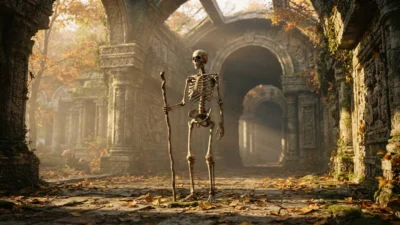

Shadow symbolism represents mystery, self discovery, protection, hidden emotions, and personal transformation.
While shadows are often associated with darkness, they also remind us that light is always present. Across cultures, spiritual traditions, psychology, and literature, shadows symbolize the unseen aspects of life and personality.
They encourage us to explore our hidden strengths, confront fears, and embrace every part of ourselves.
Rather than being something to fear, a shadow often represents the opportunity for deeper understanding and lasting personal growth.
Shadow Symbolism Meaning
Shadow symbolism refers to the deeper meanings connected with shadows beyond their physical appearance. A shadow represents the hidden side of life, including emotions, memories, instincts, and qualities that may not always be visible.
Because a shadow exists only when light is present, it also symbolizes the balance between darkness and illumination, reminding us that growth often comes from understanding both.
Quick Symbolism Overview
| Symbol | Meaning |
| Mystery | The unknown and unseen |
| Self-Discovery | Exploring hidden aspects of yourself |
| Transformation | Growth through self-awareness |
| Protection | Shelter and quiet strength |
| Hidden Emotions | Feelings beneath the surface |
| Balance | Light and darkness working together |
| Inner Wisdom | Learning from life’s deeper truths |
| Reflection | Understanding your authentic self |
What Does Shadow Symbolism Represent?
Shadow symbolism represents many important aspects of human nature and personal development.
Its most common symbolic meanings include:
- Hidden potential
- Inner fears
- Personal growth
- Self awareness
- Emotional depth
- Mystery
- Protection
- Balance between light and darkness
A shadow reminds us that every person has unseen qualities. Accepting both strengths and weaknesses leads to greater confidence and emotional maturity.
Related Symbolic Themes
Shadow symbolism is closely connected with:
- Darkness symbolism
- Inner self
- Mystery
- Reflection
- Personal transformation
- Emotional healing
- Hidden truth
Spiritual Meaning of Shadow Symbolism
Spiritually, shadow symbolism represents inner awakening, healing, and the journey toward wholeness. Many spiritual teachings encourage people to face the hidden parts of themselves rather than avoid them.
A shadow symbolizes lessons that help us become wiser, more compassionate, and spiritually mature.
Spiritually, a shadow may represent:
- Hidden wisdom
- Personal healing
- Spiritual growth
- Releasing fear
- Emotional balance
- Self acceptance
- Inner transformation
By embracing every part of ourselves, we become more authentic and aligned with our higher purpose.
Biblical / Religious Meaning of Shadow Symbolism
In the Bible, shadows often symbolize God’s protection, temporary earthly life, and His comforting presence. The phrase “shadow of His wings” represents safety, refuge, and divine care.
Biblical shadow symbolism may represent:
- God’s protection
- Shelter during hardship
- Human mortality
- Faith during uncertainty
- Spiritual dependence on God
- Comfort and security
In broader religious traditions, shadows remind believers that life’s temporary struggles eventually give way to greater spiritual understanding.
Shadow Symbolism in History and Culture
Throughout history, shadows have carried powerful symbolic meanings across civilizations.
Ancient Egypt
Shadows were believed to be connected to the soul and considered an essential part of a person’s spiritual identity.
Ancient Greece
Greek philosophers viewed shadows as symbols of illusion, perception, and the search for truth.
Chinese Traditions
In Chinese philosophy, shadows reflect the balance between opposing forces, emphasizing harmony between light and darkness.
Indigenous Beliefs
Many Indigenous traditions regard shadows as reminders of ancestral presence, spiritual guidance, and respect for nature’s mysteries.
Across cultures, shadow symbolism consistently represents:
- Mystery
- Protection
- Balance
- Spiritual wisdom
- Hidden knowledge
- Personal transformation
Shadow Symbolism in Literature and Art
Writers and artists have long used shadows to express emotional depth, mystery, and inner conflict.
In literature, shadows often symbolize hidden fears, secrets, or aspects of a character’s personality waiting to be understood. They create suspense while also representing personal growth.
Artists use shadows to add contrast, depth, and meaning to their work. The interplay of light and shadow illustrates that beauty often exists in complexity rather than perfection.
Modern storytelling frequently portrays shadows as symbols of self discovery rather than evil, encouraging audiences to embrace every part of their identity.
Dream Meaning of Shadow Symbolism
Dreaming about shadows often reflects emotions, unresolved experiences, or hidden aspects of your personality.
The meaning depends on the dream’s context.
Seeing Your Own Shadow
This dream often symbolizes self awareness, personal growth, or recognizing qualities you have overlooked.
A Moving Shadow
A moving shadow may represent uncertainty, change, or subconscious thoughts seeking attention.
Being Chased by a Shadow
This dream can indicate avoiding fears, unresolved emotions, or important life decisions.
Friendly Shadow
A peaceful shadow often symbolizes protection, intuition, and acceptance of your inner self.
Shadow Disappearing
A disappearing shadow may represent healing, overcoming fear, or gaining emotional clarity.
Most shadow dreams encourage honest reflection and emotional growth.
Modern Meaning of Shadow Symbolism
Today, shadow symbolism is widely associated with psychology, mindfulness, and personal development.
Modern interpretations often include:
- Self-awareness
- Emotional intelligence
- Healing past experiences
- Authentic living
- Mental resilience
- Personal evolution
- Inner balance
Rather than viewing shadows negatively, modern perspectives recognize them as valuable teachers that help people become stronger, wiser, and more compassionate.
FAQs
What does shadow symbolism mean?
Shadow symbolism represents mystery, hidden emotions, self discovery, protection, and personal transformation. It reflects the unseen aspects of ourselves and life.
What is the spiritual meaning of a shadow?
Spiritually, a shadow symbolizes inner healing, self-awareness, balance, and the journey toward becoming a more authentic and complete person.
What do shadows symbolize in the Bible?
In the Bible, shadows often symbolize God’s protection, refuge, temporary earthly life, and His comforting presence during difficult times.
What does dreaming about shadows mean?
Dreaming of shadows usually reflects hidden emotions, unresolved issues, personal growth, or subconscious thoughts that deserve attention.
Is shadow symbolism positive or negative?
Shadow symbolism can represent both challenges and growth. While it may reveal hidden fears, it also symbolizes healing, wisdom, resilience, and self acceptance.
Conclusion
Shadow symbolism teaches that true growth comes from understanding every part of ourselves, not just what is visible in the light.
By embracing our hidden emotions, strengths, and experiences, we gain wisdom, resilience, and a deeper sense of authenticity. Shadows remind us that where there is light, there is also the opportunity for meaningful transformation.

Ryan Thomas is a passionate writer at SymbolTrue, dedicated to exploring the meanings, history, and cultural significance of symbols worldwide. He creates engaging, well-researched content that helps readers discover the stories and symbolism behind everyday signs, icons, and traditions.