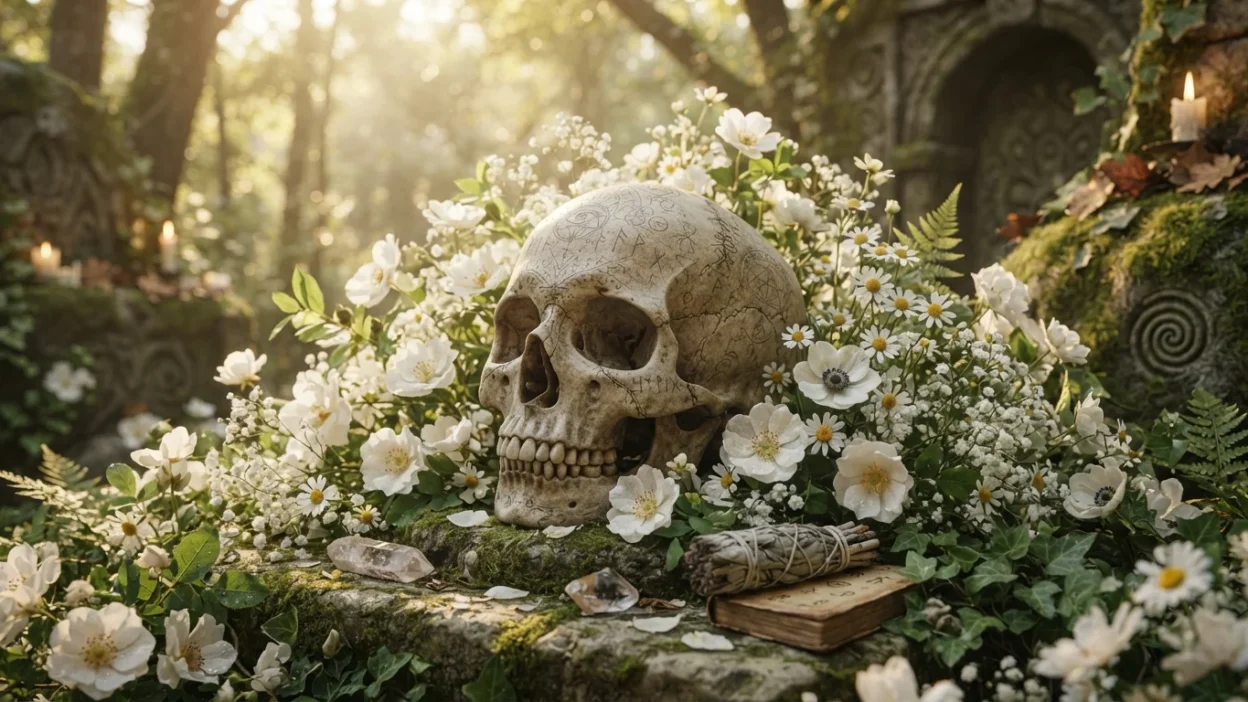
Skull symbolism has fascinated people for thousands of years, representing everything from mortality and wisdom to transformation and protection. Although many associate skulls with death, their symbolic meaning goes far beyond fear or darkness.
Across different cultures, religions, dreams, and artistic traditions, the skull reminds us of life’s temporary nature while encouraging growth, courage, and self awareness.
If seen in ancient rituals, modern fashion, or personal dreams, skull symbolism offers powerful insights into the cycle of life, change, and resilience.
Skull Symbolism Meaning (Clear Definition)
Skull symbolism refers to the deeper meanings associated with the human or animal skull. While it commonly represents death and mortality, it also symbolizes wisdom, transformation, protection, courage, and the acceptance of life’s natural cycles.
In many traditions, the skull serves as a reminder that life is precious because it is temporary. Rather than promoting fear, it encourages people to live intentionally, value each moment, and embrace personal growth.
Quick Symbolism Table
| Symbol | Meaning |
| Mortality | Reminder that life is temporary |
| Transformation | Personal growth and new beginnings |
| Wisdom | Knowledge gained through experience |
| Protection | Spiritual defense against negativity |
| Courage | Facing fears and life’s challenges |
| Rebirth | Ending one phase to begin another |
| Equality | Death comes to everyone regardless of status |
What Does Skull Symbolism Represent?
Skull symbolism represents many powerful ideas depending on culture, beliefs, and personal interpretation.
Some of the most common symbolic meanings include:
- Acceptance of mortality
- Transformation after difficult experiences
- Inner wisdom and self awareness
- Protection from evil influences
- Courage in the face of fear
- Renewal and fresh beginnings
- Equality among all people
The skull reminds us that every ending creates space for something new. Instead of focusing only on death, it often symbolizes the importance of living with purpose.
Secondary Symbolic Associations
People also connect skull symbolism with:
- Death symbolism
- Transformation symbolism
- Spiritual awakening
- Rebirth symbolism
- Memento mori
- Protection symbols
- Life cycle symbolism
Spiritual Meaning of Skull Symbolism
Spiritually, skull symbolism often represents awakening through change. Many spiritual traditions believe that personal transformation requires letting go of old identities, habits, and beliefs.
The skull symbolizes the death of the ego rather than physical death. It encourages people to release fear, embrace wisdom, and trust life’s continuous process of renewal.
Common spiritual meanings include:
- Spiritual growth through difficult experiences
- Letting go of the past
- Inner transformation
- Acceptance of life’s cycles
- Protection during spiritual journeys
- Increased awareness of one’s purpose
For many people, seeing skull imagery repeatedly serves as a reminder to focus on what truly matters.
Biblical / Religious Meaning of Skull Symbolism
In Christianity, the skull is often associated with human mortality and the need for repentance. It reminds believers that earthly life is temporary while eternal life remains the greater focus.
Many religious artworks include skulls to encourage humility, reflection, and spiritual devotion. The phrase “Remember that you are dust” reflects this symbolic meaning.
In other religious traditions:
- Buddhism views skull imagery as a reminder of impermanence.
- Hindu traditions sometimes associate skulls with powerful deities who symbolize destruction of ignorance.
- Ancient spiritual practices used skulls during rituals representing wisdom and ancestral guidance.
Across religions, the skull usually encourages reflection rather than fear.
Skull Symbolism in History and Culture
Throughout history, skull symbolism has appeared in nearly every civilization.
Ancient Civilizations
Ancient societies viewed skulls as symbols of ancestors, spiritual power, and protection. Some cultures preserved skulls to honor respected family members.
Medieval Europe
During the Middle Ages, skull imagery reminded people that wealth and social status disappear after death. This idea became known as memento mori, meaning “remember that you must die.”
Mexican Culture
During Día de los Muertos (Day of the Dead), colorful sugar skulls celebrate loved ones who have passed away. Rather than mourning, the tradition honors life, memory, and family connections.
Pirate Symbolism
The famous skull and crossbones became a symbol of danger, warning, and rebellion. Today it remains one of the world’s most recognizable symbols.
Modern Tattoo Culture
Skull tattoos often symbolize:
- Survival
- Strength
- Overcoming hardships
- Personal freedom
- Fearlessness
- Transformation
Skull Symbolism in Literature and Art
Writers and artists have long used skull symbolism to explore life’s deepest questions.
In literature, the skull often represents:
- Human mortality
- The passage of time
- Reflection on life’s purpose
- Justice and equality
Artists frequently include skulls in paintings to remind viewers that beauty, success, and material possessions are temporary.
Modern artists also use skull imagery to express individuality, rebellion, resilience, and emotional depth.
Today, skull symbolism appears in:
- Paintings
- Sculptures
- Poetry
- Fashion
- Graphic design
- Music
- Film
- Street art
Its meaning continues to evolve while maintaining its timeless connection to life and transformation.
Dream Meaning of Skull Symbolism
Dreaming about a skull rarely predicts physical death. Instead, dreams often use skull symbolism to communicate emotional or psychological transformation.
Possible dream meanings include:
- Ending an old chapter
- Letting go of unhealthy habits
- Personal growth
- Facing hidden fears
- Increased self awareness
- Learning important life lessons
Different Dream Scenarios
Seeing a skull
May suggest it’s time to reflect on your priorities.
Holding a skull
Can symbolize gaining wisdom or understanding a difficult situation.
Broken skull
May indicate emotional healing or the release of limiting beliefs.
Glowing skull
Often represents spiritual awakening or newfound clarity.
Dream interpretation depends on personal experiences and emotions surrounding the dream.
Modern Meaning of Skull Symbolism
Today, skull symbolism has expanded far beyond its traditional meanings.
Modern interpretations include:
- Living fearlessly
- Celebrating individuality
- Personal resilience
- Strength after adversity
- Fashion and self-expression
- Artistic creativity
- Remembering loved ones
- Accepting life’s uncertainties
Many people wear skull jewelry or clothing not because they celebrate death but because they value courage, authenticity, and transformation.
The skull has become a universal reminder to appreciate every moment and live boldly.
Common Symbolic Meanings of Skull Symbolism
- Mortality and the temporary nature of life
- Wisdom earned through experience
- Transformation and personal growth
- Protection from negative energy
- Spiritual awakening
- Courage during challenges
- Rebirth after endings
- Equality among all people
- Inner strength
- Acceptance of change
##### What does skull symbolism mean spiritually?
Spiritually, skull symbolism represents transformation, inner wisdom, letting go of the past, and embracing personal growth through life’s changes.
##### Is skull symbolism always connected to death?
No. Although the skull represents mortality, it also symbolizes courage, resilience, rebirth, protection, and spiritual awakening in many cultures.
##### What does a skull symbolize in dreams?
A skull in dreams often represents transformation, self discovery, emotional healing, or the end of one life phase before a new beginning.
##### Why do people wear skull jewelry?
Many people wear skull jewelry as a symbol of strength, individuality, protection, overcoming hardships, and appreciating the value of life.
##### Is skull symbolism considered positive or negative?
It can be both depending on context. While it reminds us of mortality, it more commonly encourages wisdom, acceptance, resilience, and meaningful living.
Conclusion
Skull symbolism is far more meaningful than its connection to death alone. Across spiritual traditions, history, dreams, and modern culture, the skull represents transformation, wisdom, courage, and the reminder that life is precious because it is temporary. By embracing its deeper symbolism, we are encouraged to live with greater purpose, resilience, and appreciation for every stage of life’s journey.

Henry Jack is the Administrator of SymbolTrue, ensuring the website runs smoothly while overseeing content quality, user experience, and daily operations. He is passionate about helping readers explore symbols, meanings, and cultural insights.