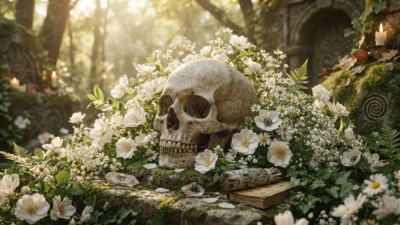
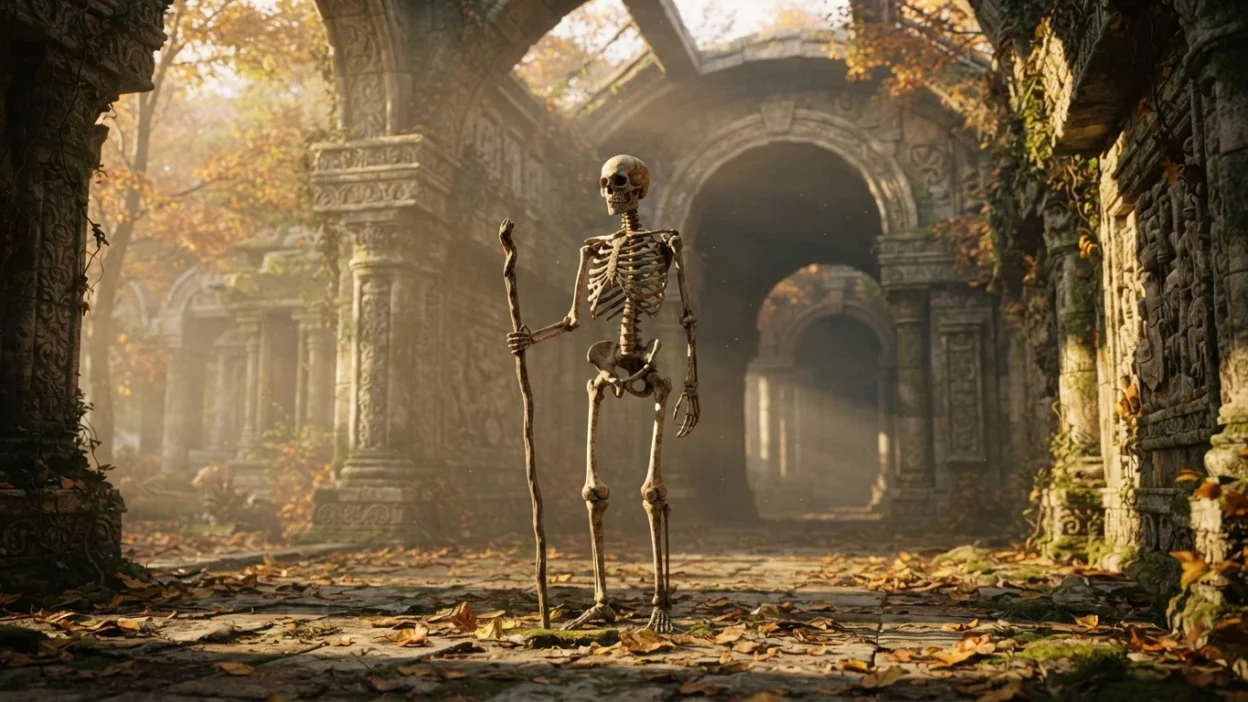
Skeleton symbolism represents mortality, resilience, transformation, truth, and the enduring foundation of life.
Although skeletons are often associated with death, they also symbolize strength, survival, and the essence that remains after everything unnecessary has been stripped away.
Across cultures, religions, art, and spiritual traditions, skeletons remind us of life’s impermanence while encouraging wisdom, authenticity, and appreciation for every moment.
Rather than being merely a symbol of endings, the skeleton also represents renewal, endurance, and the timeless cycle of life.
Skeleton Symbolism Meaning
Skeleton symbolism refers to the deeper meanings connected with the human or animal skeleton beyond its biological role. It symbolizes the underlying structure that supports life, making it a powerful representation of strength, truth, and permanence.
A skeleton also reminds us that material possessions and outward appearances are temporary, while character, wisdom, and legacy have lasting value.
Quick Symbolism Overview
| Symbol | Meaning |
| Mortality | Awareness of life’s temporary nature |
| Transformation | Growth through change |
| Strength | The foundation that supports life |
| Truth | Revealing what remains beneath appearances |
| Renewal | New beginnings after endings |
| Resilience | Endurance through hardship |
| Wisdom | Appreciating life’s deeper meaning |
| Impermanence | Accepting life’s natural cycle |
What Does Skeleton Symbolism Represent?
Skeleton symbolism represents many profound ideas that encourage reflection and personal growth.
Its most common symbolic meanings include:
- Mortality and acceptance
- Inner strength
- Personal transformation
- Honesty and authenticity
- Endurance
- Wisdom gained through experience
- Renewal after change
- The foundation of life
A skeleton reminds us that true strength comes from what supports us internally rather than external appearances.
Related Symbolic Themes
Skeleton symbolism is closely connected with:
- Death symbolism
- Rebirth
- Life cycles
- Inner strength
- Transformation
- Spiritual awakening
- Resilience
Spiritual Meaning of Skeleton Symbolism
Spiritually, skeleton symbolism represents letting go of the unnecessary to discover one’s true essence. It teaches that lasting spiritual growth comes from releasing fear, ego, and attachment while embracing wisdom and authenticity.
Many spiritual traditions view skeletons as reminders that the soul continues beyond physical existence, making them symbols of eternal truth rather than fear.
Spiritually, a skeleton may symbolize:
- Spiritual transformation
- Inner wisdom
- Acceptance of change
- Personal awakening
- Resilience during challenges
- Freedom from material attachment
- The eternal nature of the soul
A skeleton encourages focusing on what truly matters in life and personal growth.
Biblical / Religious Meaning of Skeleton Symbolism
In the Bible, bones often symbolize both mortality and restoration. One of the most powerful examples is the vision of dry bones, where lifeless bones are restored to life, representing hope, renewal, and God’s power to bring restoration.
Biblical skeleton symbolism may represent:
- Human mortality
- God’s restoring power
- Spiritual renewal
- Resurrection
- Faith during difficult times
- Hope beyond despair
In many religious traditions, skeletons remind believers that physical life is temporary while spiritual values endure.
Skeleton Symbolism in History and Culture
Skeletons have held symbolic importance across civilizations for thousands of years.
Ancient Egypt
Skeletons and bones were associated with the journey into the afterlife and preparation for eternal existence.
Medieval Europe
Skeleton imagery served as a reminder that death comes to everyone equally, encouraging humility and meaningful living.
Mexican Tradition
During Día de los Muertos, colorful skeletons celebrate remembrance, honoring loved ones while recognizing death as a natural part of life rather than something to fear.
Eastern Traditions
Some Eastern philosophies use skeleton imagery to reflect impermanence, mindfulness, and freedom from attachment.
Across cultures, skeleton symbolism consistently represents:
- Mortality
- Renewal
- Wisdom
- Equality
- Transformation
- Respect for life’s cycle
Skeleton Symbolism in Literature and Art
Writers and artists have long used skeletons to explore themes of life, death, truth, and human nature.
In literature, skeletons often symbolize hidden truths, forgotten histories, or the reality that lies beneath appearances. They encourage characters and readers to confront difficult realities with courage.
Artists frequently portray skeletons as reminders of impermanence while also celebrating resilience, memory, and the enduring human spirit.
Modern storytelling often presents skeletons as symbols of transformation rather than fear, emphasizing growth through life’s challenges.
Dream Meaning of Skeleton Symbolism
Dreaming about a skeleton often reflects personal transformation, hidden truths, or important life lessons.
The meaning depends on the dream’s details.
Seeing a Skeleton
This dream may symbolize recognizing reality, personal growth, or becoming aware of something previously overlooked.
Holding a Skeleton
Holding a skeleton can represent accepting past experiences and learning valuable lessons from them.
Walking Skeleton
A moving skeleton often symbolizes resilience, survival, or unresolved issues seeking attention.
Buried Skeleton
A buried skeleton may suggest hidden memories, family history, or emotions ready to be acknowledged.
Friendly Skeleton
A peaceful skeleton often represents wisdom, acceptance, and comfort with life’s natural changes.
Most skeleton dreams encourage honesty, growth, and emotional maturity.
Modern Meaning of Skeleton Symbolism
Today, skeleton symbolism extends into psychology, philosophy, medicine, fashion, and personal development.
Modern interpretations commonly associate skeletons with:
- Authenticity
- Emotional resilience
- Personal growth
- Mindfulness
- Courage
- Acceptance of change
- Living life fully
Rather than symbolizing fear alone, skeletons remind people to appreciate the present, embrace transformation, and build lives founded on purpose and integrity.
FAQs
What does skeleton symbolism mean?
Skeleton symbolism represents mortality, resilience, truth, transformation, and the foundation of life. It encourages wisdom, authenticity, and personal growth.
What is the spiritual meaning of a skeleton?
Spiritually, a skeleton symbolizes inner strength, eternal truth, personal awakening, and releasing attachments to focus on what truly matters.
What do skeletons symbolize in the Bible?
In the Bible, bones symbolize mortality, restoration, resurrection, and God’s power to bring life, hope, and renewal even in difficult circumstances.
What does dreaming about a skeleton mean?
Dreaming of a skeleton often symbolizes transformation, hidden truths, emotional growth, acceptance, or recognizing important aspects of your life.
Is skeleton symbolism negative?
Not necessarily. Although it reminds us of mortality, skeleton symbolism also represents resilience, wisdom, renewal, honesty, and the enduring strength beneath life’s surface.
Conclusion
Skeleton symbolism reminds us that beneath every outward appearance lies a lasting foundation of truth, resilience, and wisdom.
By accepting life’s impermanence, we learn to appreciate each moment more deeply and embrace transformation with courage.
The skeleton stands as a timeless symbol that endings often prepare the way for meaningful new beginnings.

Henry Jack is a passionate writer at SymbolTrue, dedicated to exploring the meanings, history, and cultural significance of symbols. He creates clear, engaging, and well-researched content that helps readers understand symbols from around the world.